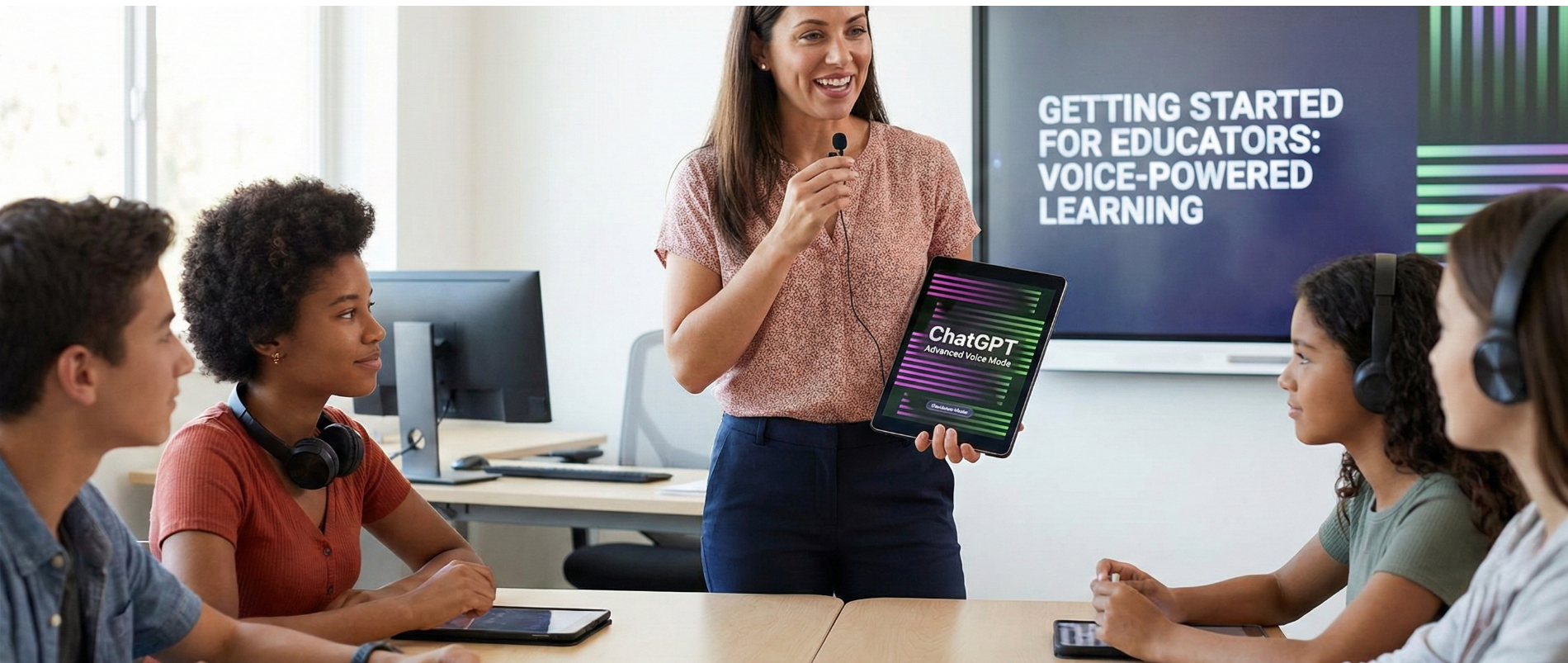

Growing a Network of Internal AI Champions
Introduction
You’ve already laid the foundations for AI adoption—identifying high-value workflows, validating impact through real use cases, and scaling wins with Custom GPTs. The next critical step is building a network of internal AI Champions.
AI adoption does not spread through training alone. It grows when trusted peers demonstrate real, practical value in their daily work. A single Champion can inspire curiosity—but a connected Champion network creates momentum that sustains transformation.
By activating and connecting Champions across teams, you build a community of practice—a trusted space where employees share wins, solve challenges together, and co-create repeatable AI workflows. Over time, this network becomes a powerful engine for organizational change.
Why Champion Networks Matter
Most AI initiatives stall after early experimentation. Champion networks prevent this by turning isolated success into shared capability.
A strong network:
-
Makes AI adoption peer-led, not top-down
-
Builds confidence through visible, practical examples
-
Reduces fear by normalizing experimentation
-
Accelerates learning across functions
-
Anchors AI usage to real outcomes, not hype
In short, Champion networks transform AI from an optional tool into a trusted way of working.
What Thriving Champion Networks Do
High-performing Champion networks consistently demonstrate five behaviors:
1. Showcase Proven Use Cases
Members bring validated workflows that:
-
Save time
-
Improve quality
-
Reduce friction
-
Can be reused by others
These examples spread quickly across teams when shared by peers.
2. Enable Peer Leadership & Learning
Champions:
-
Demo real workflows
-
Teach through examples, not theory
-
Adapt and improve each other’s ideas
-
Learn together through iteration
3. Track Collective Impact
Impact is measured at the network level, not just individually:
-
Hours saved
-
GPTs reused
-
Workflows adopted
-
Teams enabled
This builds credibility with leadership and reinforces value.
4. Strengthen Cross-Team Connections
Champions intentionally connect:
-
Similar problems across departments
-
Reusable solutions across roles
-
People who wouldn’t normally collaborate
5. Create Shared Ownership
The network becomes a multiplier—where success belongs to the group, not individuals.
Champion Networks and AI Fluency
Champion networks play a critical role in helping teams progress along the AI Proficiency Ladder:
-
Learning
Low-risk tasks such as summaries, emails, and brainstorming -
Applying
Role-specific prompts and workflows tied to real work -
Scaling
Templates, Custom GPTs, and standardized outputs -
Redesigning
Reimagining end-to-end processes and decision-making
How Champions Enable Progress
-
Identify where peers currently sit on the ladder
-
Share workflows that make the next step achievable
-
Host spotlight sessions showing different maturity levels
-
Celebrate milestones (e.g., first GPT built, first workflow scaled)
This structured progression builds confidence and prevents overwhelm.
Your Role Inside the Champion Network
Being a Champion is not about being the most technical person—it’s about strengthening the group.
You create network impact by:
-
Sharing reusable wins → prompts, GPTs, workflows
-
Connecting ideas → linking peers working on similar challenges
-
Amplifying peer success → spotlighting others’ wins
-
Coaching progression → helping others climb the proficiency ladder
-
Feeding insights back → improving shared practices and playbooks
The network thrives when every Champion contributes—even small contributions compound over time.
How to Get Started
If You’re Launching a New Network
-
Identify a small group of:
-
Curious
-
Credible
-
Influential peers
-
-
Align on a simple purpose
“Share workflows that save time and improve quality.” -
Create one central hub:
-
Slack / Teams channel
-
Monthly 30-minute sync
-
-
Start lightweight—focus on sharing, not perfection
If You’re Joining an Existing Network
-
Learn how wins are shared and impact is tracked
-
Introduce yourself and your workflows
-
Contribute early:
-
Share a prompt
-
Demo a workflow
-
Highlight someone else’s success
-
Champion Tip:
Take one visible action in your first few weeks. Early contributions build trust and credibility fast.
Keeping Network Momentum Alive
Sustainable networks rely on rhythm, visibility, and recognition.
Proven Ways to Maintain Energy
-
Regular sharing → “Prompt of the Week,” short demos
-
Rotating leadership → different Champions host sessions
-
Celebrating milestones → collective wins, not individual heroics
-
Low-friction exchanges → Slack threads, office hours, 15-minute show-and-tells
-
Fresh perspectives → invite guest Champions from other teams
Consistency matters more than frequency—keep it simple and repeatable.
What Makes Champion Networks Work
Successful networks share five essentials:
-
✅ The right members → curious, trusted, committed
-
✅ One central hub → easy to find and contribute
-
✅ A steady rhythm → lightweight weekly or monthly cycles
-
✅ Outcome focus → workflows tied to measurable impact
-
✅ Feedback loops → continuous improvement and refinement
When these are in place, the network evolves from an enthusiast group into an organizational catalyst.
Final Thoughts
Building a network of AI Champions is not about collecting enthusiasts—it’s about creating a trusted, results-driven community where value flows freely.
When Champions share, amplify, and scale each other’s work:
-
Adoption accelerates
-
Confidence grows
-
AI becomes embedded into daily operations
Every contribution matters—a prompt, a GPT, a connection, a success story.
👉 Start small. Stay consistent. Keep proving value.
Over time, your Champion network becomes a multiplier for transformation, turning AI adoption into a lasting competitive advantage across the organization.